 From $78.24
🇪🇸 Quad & ATV in Spain
ATV Tours in Spain
Spain is the European quad destination where volcanic island terrain steals the show from mainland routes.
9verified tours
8regions
From $78
⭐ Most booked tour
Local guideBrowse all tours ↓
The complete Spain ATV experience
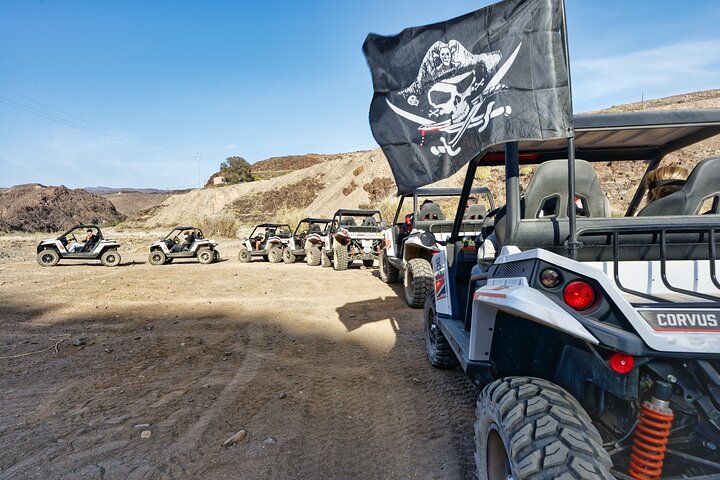
Spain is the European quad destination where volcanic island terrain steals the show from mainland routes. Tenerife and Gran Canaria, the two big Canary Islands players, run buggy and quad tours over black lava, pine forest tracks and coastal cliff roads, with Teide and Roque Nublo as permanent backdrops. Mallorca complements the mix with off road tours through the Tramuntana foothills and rural Mallorcan olive country. Mainland Spain has its own quieter scene in the Pyrenees and around Marbella, but the Canary Islands outpace them in volume, operator professionalism and sheer landscape drama. Machines are typically CFMoto, Can-Am or Polaris 500 to 1000cc buggies, plus Yamaha Grizzly quads in the 450 to 700 class, often EU road legal. Prices run 45 to 90 EUR per person shared for a 2 to 3 hour tour, or 120 to 220 EUR for a buggy with two seats on a half day route. Self drive rental with a full car driver licence is available, which is unusual in most other markets on this site.
Why Spain
What sets Spain apart is EU road legal machinery and a strong self drive culture. In Tenerife, Gran Canaria and Mallorca, you can rent a buggy or quad with your regular B category car licence and ride with a lead guide on the open road to a proper off road sector, then back. That changes the nature of the ride. You are not stuck on a 5 km private loop. You are doing a genuine 40 to 70 km itinerary that passes through villages, climbs up to viewpoints like Masca or Artenara, and ends in a cliffside lunch stop. Safety culture is European standard, with proper helmets, chest protectors, radios and one guide per six riders. Operators are professional, insured and registered with regional tourism boards. Combined with direct flights from all over Europe, the Canaries are the most accessible off road scene within a 4 hour flight of London or Paris.
Best time to ride
The Canary Islands run year round with daytime highs between 20 and 28 °C, making them the rare European quad scene usable in January. Best months are March to June and September to November, when trails are dry and tourist pressure is moderate. July and August are busy and hot in the interior, reaching 35 °C around Fataga. December to February bring cooler mountain air and occasional cloud at altitude. Mallorca runs from April to October, with the best riding in May, June, September and early October. The mainland Pyrenees and Picos scenes are summer only, mid June to mid September. Avoid the first week of January and Easter week in Spain, when local demand spikes and availability drops.
What to bring
Closed shoes, long trousers or quick dry shorts, a light windproof layer for Canary Islands altitude sections, sunglasses with strap, cap for helmet liner, and sunscreen. Bring a bandana for dust on volcanic trails. Spanish euros in cash for lunch stops at rural restaurants and tips. The sun is intense in the Canaries even in winter, so sunscreen is not optional. A small backpack with water, phone pouch and a light rain jacket if you ride in November or December. Operators provide helmets and chest protectors, no need to bring your own.
Safety & permits
In Spain, a standard B category car driver licence is required for self drive on public roads, including the transit between base and off road sector. Tours typically require a minimum of 18 to drive, 21 for Can-Am Maverick buggies, and tandem passengers from 6 or 7 years old. Helmets are mandatory. Chest protectors are supplied by leading operators. All professional outfits in the Canaries and Mallorca carry third party insurance and are registered with the regional tourism authority. Ask to see licences if unsure. The legal structure is stricter than in Latin America, so expect paperwork at pickup: licence check, waiver, deposit by card. Budget 15 minutes at base before the ride starts.
Top tours: Spain
9 verified tours


Frequently Asked Questions
Do I need a licence to ride a quad in Spain?
Yes, if the quad is road legal and the tour uses public roads, which is the standard in Tenerife, Gran Canaria and Mallorca. A category B car driver licence is sufficient for most quads and buggies up to 500cc. No international permit is needed for EU citizens. Non EU visitors should bring a home country licence plus an International Driving Permit to avoid any issue.
What is the minimum age for quad tours in Spain?
Solo driving requires 18 and a valid licence. Can-Am Maverick high power buggies require 21. Tandem passengers are typically welcome from 6 or 7 years old when a parent is at the wheel. Some operators in Tenerife have junior quad pistes for supervised children from 10, but these are separate products and not main tours.
How much does a quad or buggy tour in Spain cost?
Shared 2 to 3 hour tours in the Canary Islands run 45 to 90 EUR per person. A half day buggy with two seats is 120 to 220 EUR per buggy. Full day Tenerife tours to Teide with lunch are 150 to 220 EUR per person. Mallorca is slightly cheaper, 40 to 75 EUR for 2 hour loops. Private tours add around 25 to 40 percent.
What is the best season for ATV in Spain?
Canary Islands run year round with a sweet spot from March to June and September to November. Mallorca is April to October, best in May, June, September. Mainland Pyrenees tours are summer only, mid June to mid September. Avoid Easter week and the first week of January if you want availability.
Can I rent a quad without a guide in the Canary Islands?
Yes, pure self drive rental exists on some operators, particularly in Tenerife and Mallorca, but most tours run guided with a lead rider. Self drive without guide is limited to experienced riders with a proven motorbike or off road background, and comes with a larger deposit and stricter insurance.
Are the tours road legal in Spain?
Yes. Most Canary Islands and Mallorca operators use road legal quads and buggies registered for public road use, with number plates and MOT. This allows the tour to move between off road sectors via public mountain roads. Riders wear helmets at all times, including on road sections, which is a Spanish traffic code requirement.